Breaking trail
Five essays on artificial intelligence are all very well, but sooner or later someone asks what we actually do about it. Here is the report from our own workshop, wrong turns included.
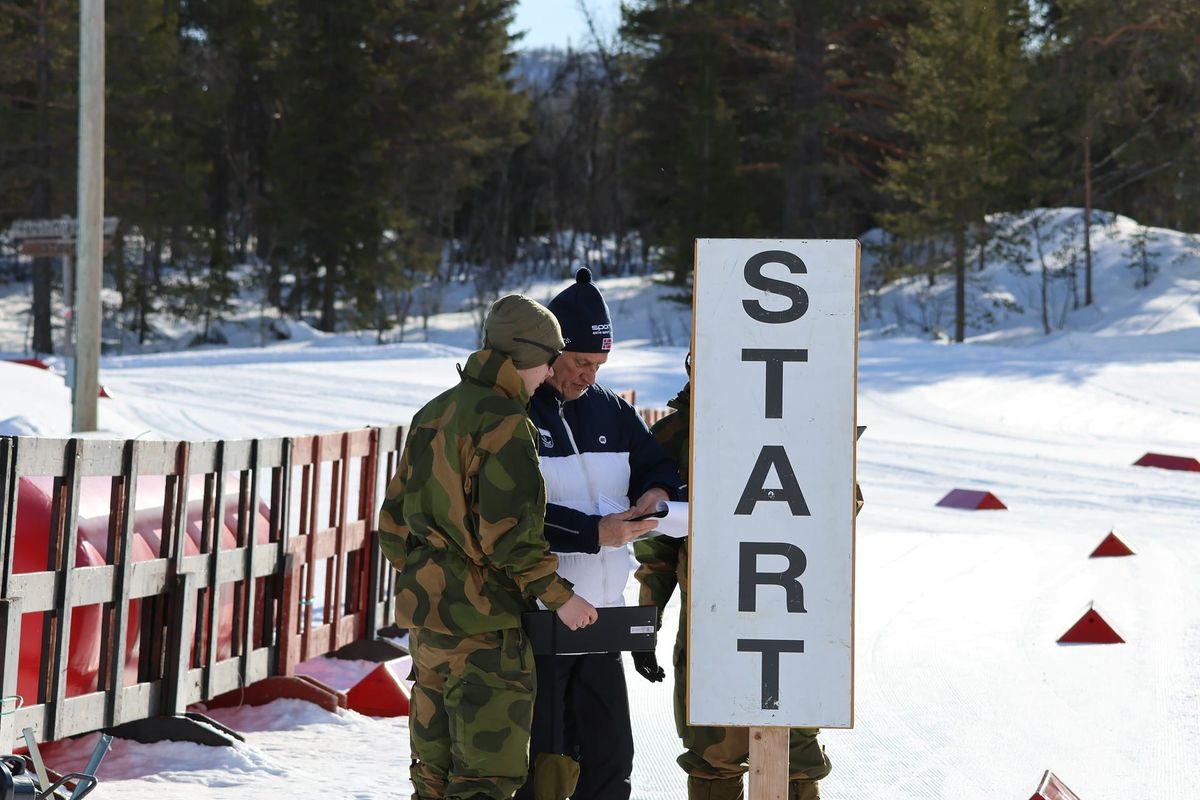
Nobody takes skiing lessons from an instructor who has never been on skis. It follows, somewhat inconveniently, that we cannot write five essays about artificial intelligence without showing you our own tracks.
So here they are. No grand vision, no gleaming future. Just a small organisation finding its way, with the bits that worked and the bits we are still untangling.
In our own house
We started where most sensible experiments start, at our own desks. Ridderrennet is a small organisation with a large mission and a to-do list that has never once been finished. These days the assistant works as an extra pair of hands in the office. It keeps order for a secretary general, a board and nearly 1,200 volunteers and participants, prepares the papers for board meetings and the annual general meeting, and writes first drafts that we then rework by hand. The arithmetic is cheering. The secretary general is on course to win back nearly 350 hours a year, and hours that used to vanish into administration now go on seeing people.
Those first drafts taught us the most useful lesson of the whole experiment. The machine wrote at tremendous speed, and sounded exactly like a machine. Colons everywhere, the same sentence shape marching past again and again, words no human being has ever said over a coffee. Rather like that list you have just read. So we pulled the weeds, one expression at a time, and planted the result in a set of house language rules that every draft now has to pass.
The division of labour is short enough to fit on a sticky note. We choose the subject and the outline, the machine writes a draft, and we weed, check and answer for every claim that survives. The machine holds the pen, but our hand stays on it. We are the editor. The text you are reading has been through that mill.
We have also built a library for grant applications, where the machine knows our annual reports, our templates and every application we have ever sent. Grant writing is a literary genre of its own, and we feel confident that nobody has ever become lonelier because it went faster. Every hour saved in there is moved to where it belongs, out among people.
The gain is not that the work does itself, but that every hour stretches further than it used to. And yes, Morisbak's rule holds in the office too. The tool bends to the way we work, never the reverse.
All of this happened without a single large consultancy setting foot in the building. We hired a Swiss army knife of an adviser instead, Mellingsater at Resonate, who set things up so that the process stayed ours. The sums are unsentimental. An organisation like ours cannot afford to ignore AI, and could not afford to outsource it either, but above all we want our own hands on the wheel. Nobody else can own what we are for.
What the participants get
Savings are agreeable, but the better question is what the participants get out of it. The best example is the one you are looking at. Our new website was built with artificial intelligence as co-builder, with the doors wide open, and now lives at ridderrennet.no. It is far more accessible than its predecessor. For Ridderrennet, accessibility is the whole point. A website our members cannot use is a silent wall with an invisible logo.
The website has become the hub of everything we say in public. It carries our story through the digital racket that your day and mine now consist of.
It does something subtler as well. The pages act as guides for AI agents, helping the machines see. When someone asks an AI assistant about the things we care about, the assistant has already met us, and so, in turn, have they. The freshest example arrived this autumn, when the site managed to sell snow to the Sahara. A group of Moroccans met us in a conversation with such an assistant, and they are now on the entry list for next year's event.
The model creates value at a fraction of the usual cost, and it keeps marketing and communication within reach of a very small staff in a very noisy age.
The point is never the technology, but what it releases. When a member reads their own news or signs up without asking anyone for help, we are at the heart of what Stordahl wanted.
What we will not be doing
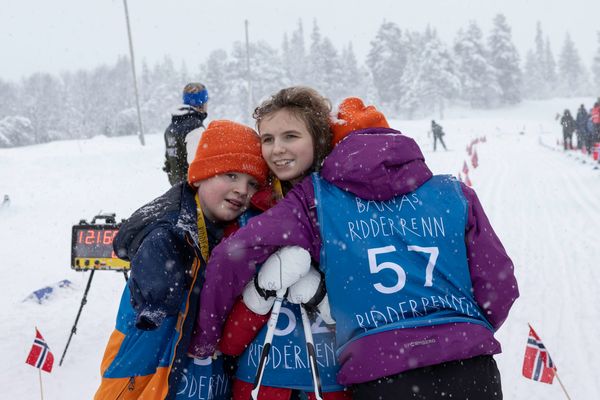
Just as important as the list of things we do is the list of things we refuse to touch. The guide's job will not be handed to an app. No handshake, no cup of coffee, no burst of laughter in the finish area will be replaced by a chatbot. Artificial intelligence has exactly one job description here, set out in the previous essay, which is to bring people closer together. The day a tool pulls the other way, it goes, and it does not work out its notice.
The way ahead
We are still in the starting blocks, and we see no reason to pretend otherwise. The loose experiments will harden into habit, and what we learn will be passed on as a plain checklist on ridderrennet.no, for any club or association wondering where on earth to begin. The mistakes come included in the price. They are usually the most instructive part.
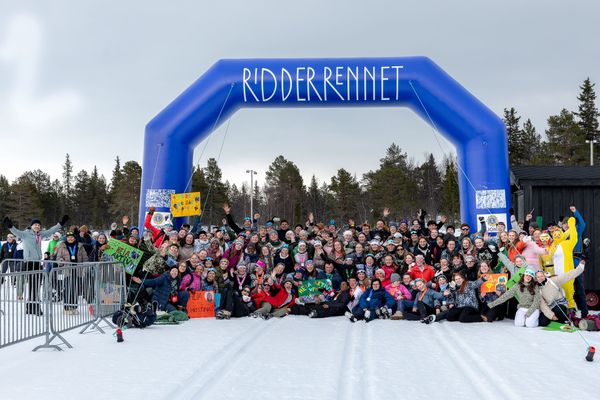
After sixty-odd years of making the impossible look merely difficult, this is just the next hill. Norwegian volunteering does not need more spectators to this technology. It needs somebody out in front, breaking trail.
We have made a start. See you in the tracks.
Join the conversation
Is your organisation feeling its way into artificial intelligence? Or staring at it from a safe distance? Either way, do get in touch. We will happily share what we have learned, and just as happily learn from you.
Thank you for following 'AI & fellowship'. The words now have to go to work.