The super-resource codes the future
Society tends to enter disabled people on the cost side of the ledger. The history of technology enters them somewhere else entirely, in the development department.
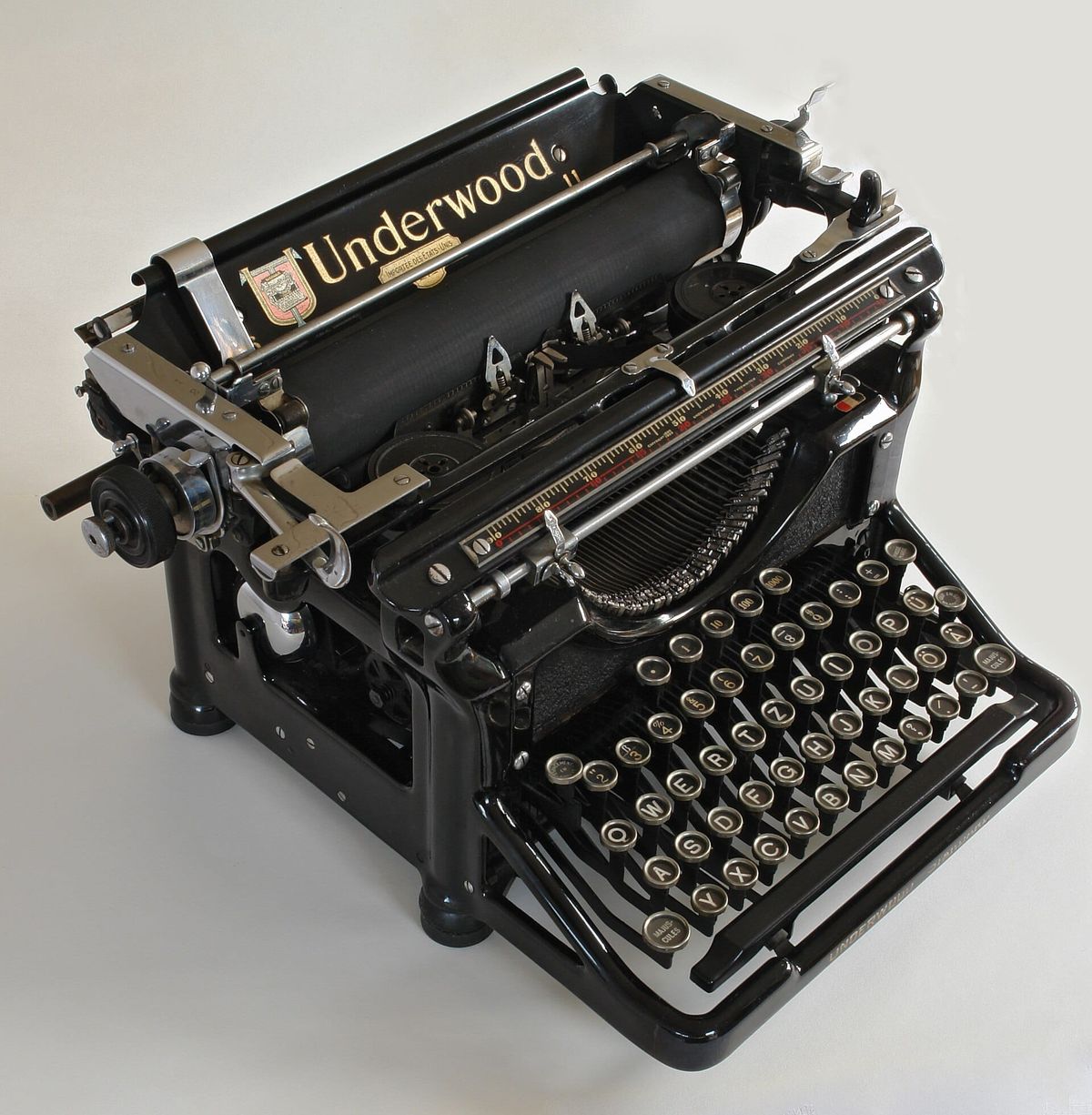
The keyboard you type on began as a love letter. She was an Italian countess, and blind. He refused to accept that her letters had to pass through other people's hands.
In the early 1800s Pellegrino Turri built one of the world's first typewriters, so that Countess Carolina Fantoni could write her own letters. When the machine lacked ink, he solved that as well, with an invention we have since called carbon paper. Historians still argue over the years and details, though nobody disputes the motive. One person's need to reach another became the writing tool an entire civilisation has been hammering away at ever since.
A pattern starts there.
You use their inventions every day
The story we like to tell about disability is a budget line. People society spends care and money on. Move the entry over to the income side, and the accounts immediately look better. In technology it is strikingly often the people who need a tool most who push it to become best. Everyone else inherits the gain afterwards, usually with no idea where it came from.
You shout 'set a timer for ten minutes' with your hands full of dough. Voice control was pushed forward not least by the needs of people who could not use their hands or see the screen. You read subtitles on the tram with no earphones in. Subtitling was fought through by deaf and hard-of-hearing people. You wheel a pram, a suitcase and a bag of shopping down pavement ramps that were lowered for wheelchair users, after persistent campaigns by American activists in the 1970s. The trade calls it the curb-cut effect. Lower the kerb for the few, and the whole neighbourhood moves more easily.
The strictest quality department in the world
Right now the story is repeating itself, in real time, with artificial intelligence. The most uncompromising users of a conversational assistant are often people with disabilities, for a simple reason. They cannot afford a mediocre tool. A sighted person can forgive an imprecise description of a photo. A blind person cannot.
Can the machine describe a picture precisely enough for a blind person to dare to trust it? Read speech that turned unclear after a stroke, or explain something a fourth time, more simply, without losing the substance on the way? Every demand like that grinds the tool sharper for everyone. If the machine learns to describe the world well enough for the blind, it describes the world better for you too. If it learns to understand unclear speech, it also understands you, calling from a noisy platform with a broad dialect and a heavy cold.
Disabled people are, in short, the strictest quality department in the world. The technology industry has never paid them a krone for the work. And the bar never comes down.
We have known since 1964
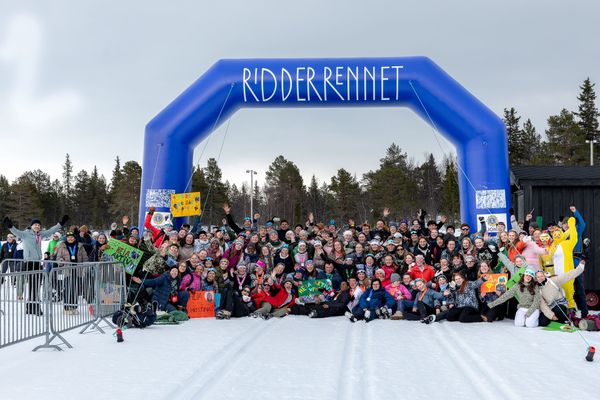
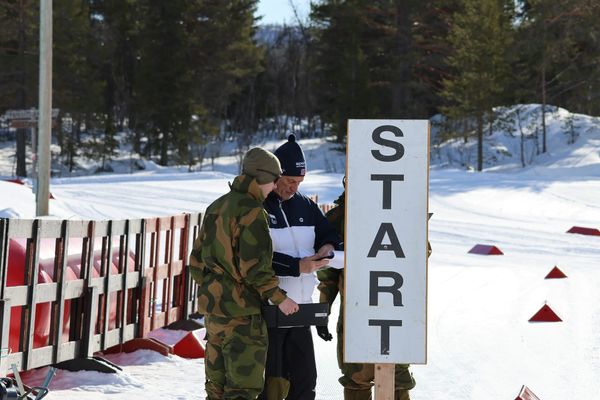
For us at Ridderrennet this is muscle memory. When the Norwegian Armed Forces set out to help blind marksmen hit the target, they built rigs where the ear replaces the eye, and learned things about sound and precision that no ordinary exercise could have taught them. I have stood at the firing point myself and heard the tone in the headphones rise as the sight finds the bullseye. You do not forget it. Sixty-odd years of adaptation at Beitostølen point the same way. Solve the problem for the person carrying the heaviest load, and it comes loose for everyone else at the same time.
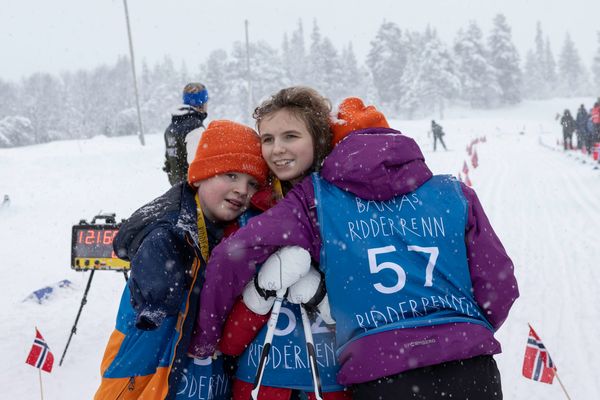
This is why we talk about the super-resource, and we mean it literally. The people who move the boundaries and set the terms for what comes next, in the ski tracks and in care for the elderly. And now, most clearly of all, in artificial intelligence. Norway's perhaps most undervalued development department gathers on a mountain in Valdres every March.
The bill for not bothering
Technology made for disabled people tends to end up middling. Technology made with them ends up good, for everyone. They should be in the room from day one, not brought in as a test panel the week before launch.
This is the best documented innovation strategy we have, with a two-hundred-year track record. The people who tear down barriers for their own sake clear the path for everyone behind them.
Next time someone in a meeting refers to disabled people as a cost, you have your answer ready. Thank them for the keyboard, the subtitles, and voice control. And spare a friendly thought for an Italian countess who simply wanted to write a letter herself.
Next in the series. 'The warm bridge'. Harvard researchers found that a chatbot eases loneliness almost as well as a person does. Which is good news and unsettling news at the same time.